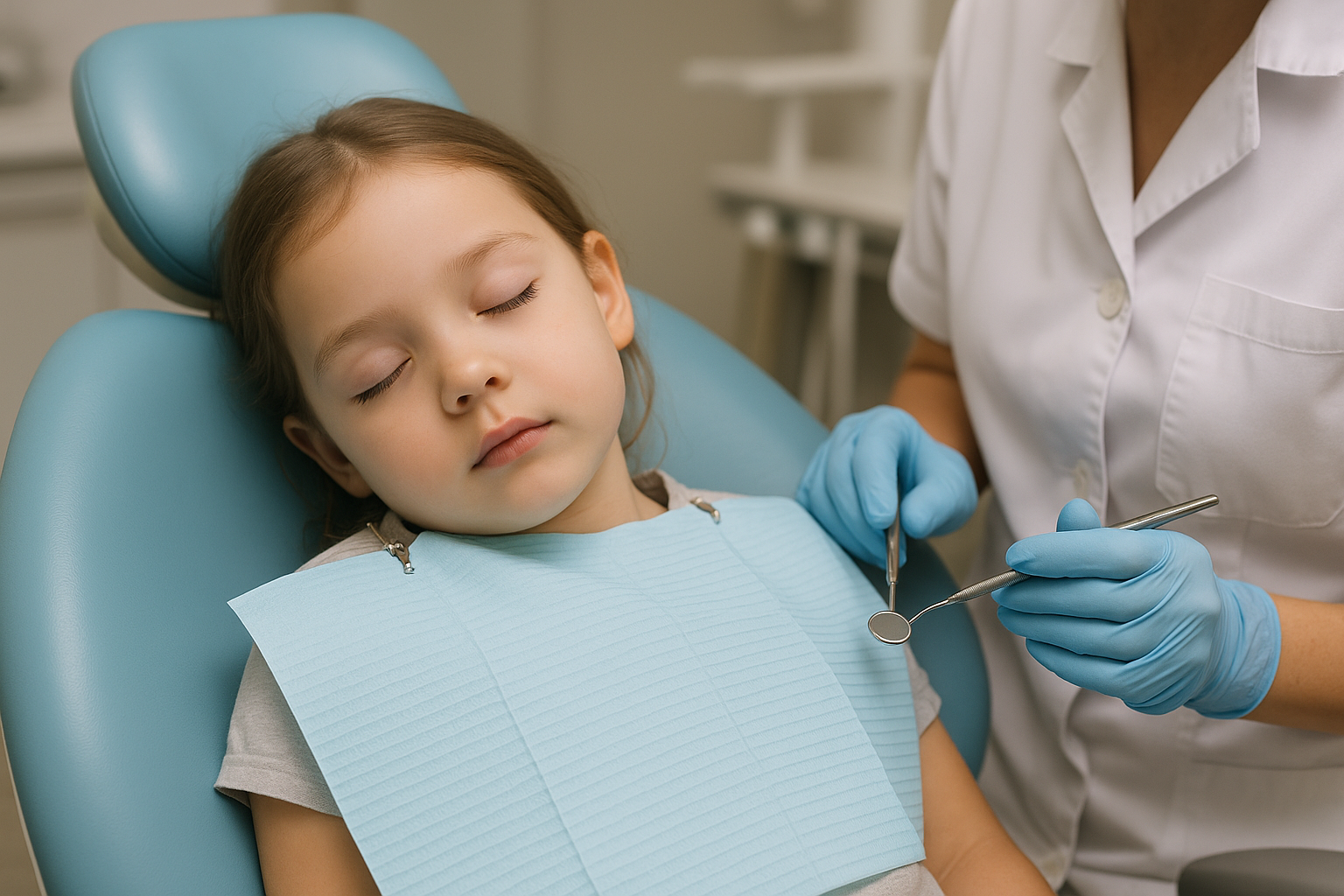
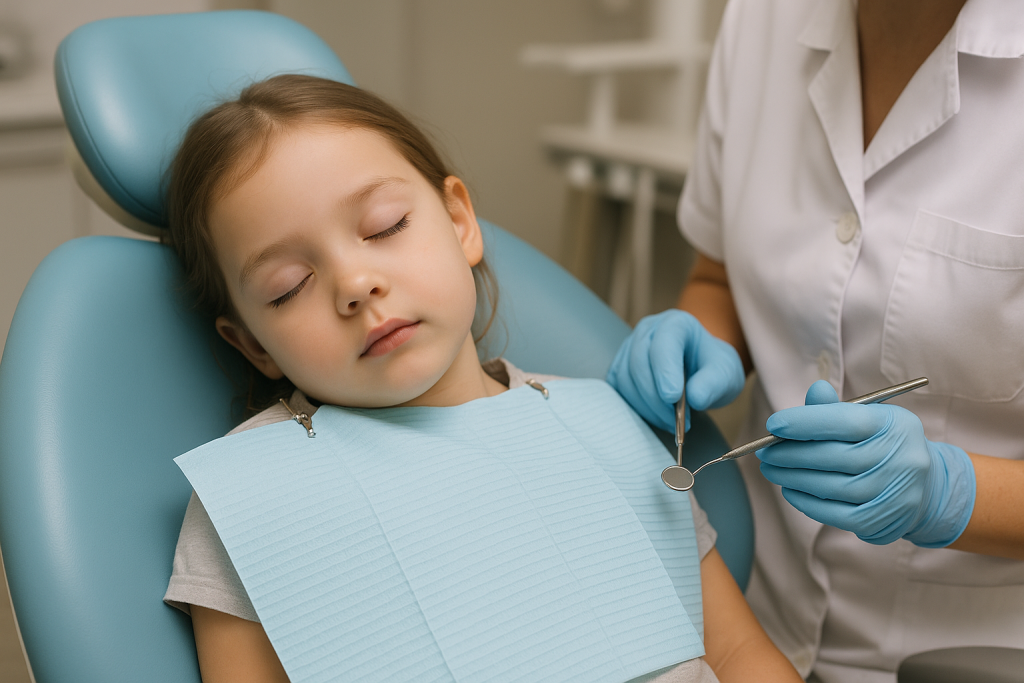
Did you know that your child’s sleep habits can have a significant impact on their oral health? From mouth breathing to snoring and even sleeping positions, these factors can influence dental development and overall well-being. Understanding these effects can help parents take proactive steps to protect their child’s smile.
Mouth Breathing and Its Dental Consequences
Mouth breathing, often caused by nasal congestion or allergies, can lead to dry mouth, which reduces saliva production. Saliva is essential for neutralizing acids and preventing cavities. Chronic mouth breathing can also result in improper jaw development, leading to misaligned teeth or an elongated facial structure. If your child frequently breathes through their mouth while sleeping, consulting a pediatric dentist can help identify potential issues early.
Snoring and Sleep-Disordered Breathing
Occasional snoring is normal, but consistent snoring can be a sign of sleep-disordered breathing or even pediatric sleep apnea. These conditions may contribute to abnormal bite development, narrow dental arches, and difficulty concentrating during the day. Addressing these concerns early can prevent long-term oral and overall health complications.
Sleeping Positions and Dental Development
How your child sleeps can also impact their oral health. Sleeping on their stomach or with their face pressed against a pillow may put pressure on developing teeth and jaws, potentially affecting alignment. Encouraging back sleeping can help maintain proper dental structure while supporting healthy airway function.
By recognizing these sleep-related oral health concerns, parents can take action to ensure their child’s dental development stays on track. If you’d like some expert advice tailored to your child’s needs, feel free to reach out to Go Kids Pediatric Dentistry—we’re happy to help!