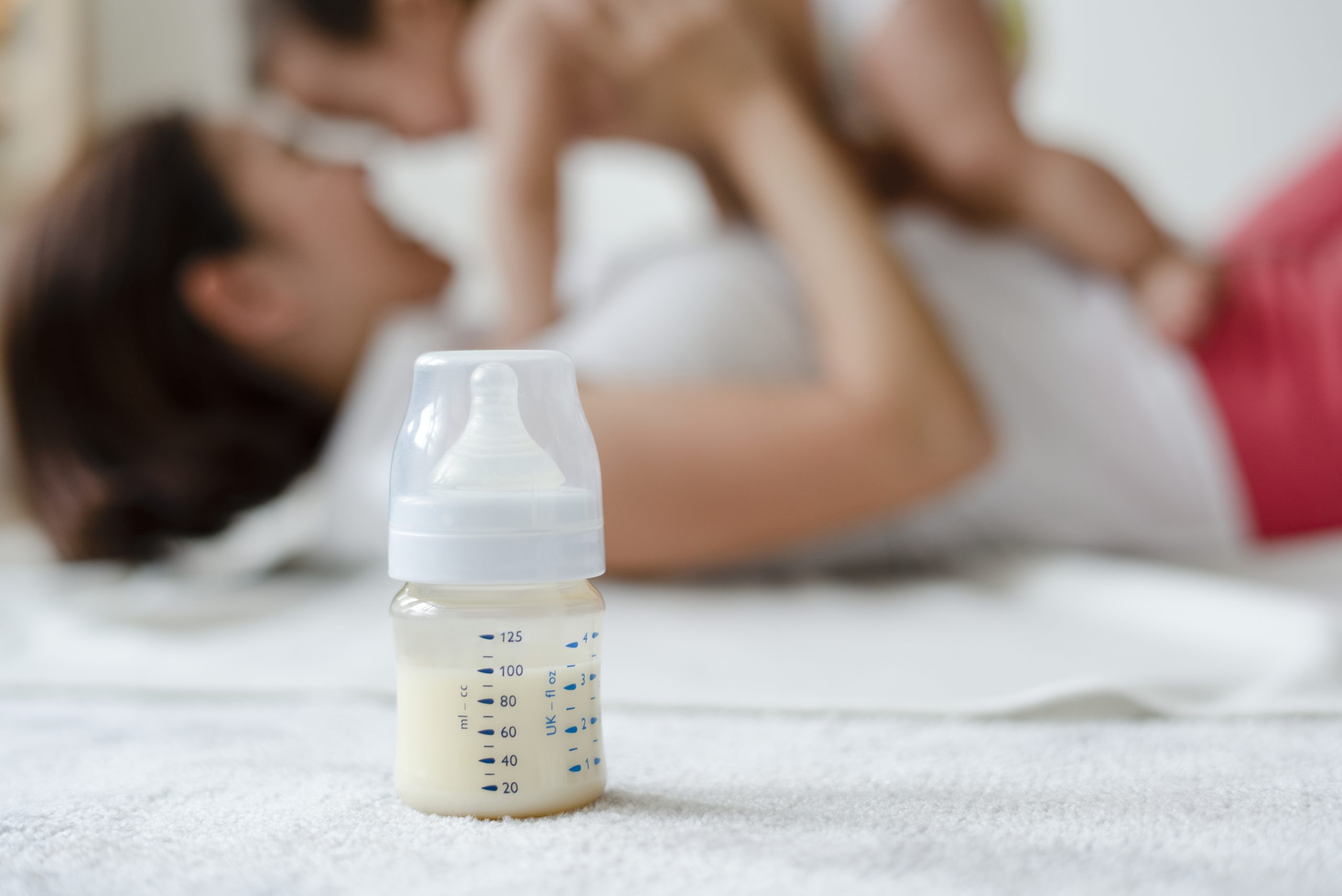


For many parents, pacifiers and bottles are invaluable tools in soothing and comforting their little ones, especially in their early years. However, while these items can offer immediate relief, prolonged use can have a lasting impact on your child’s oral health. Understanding the potential effects of pacifier and bottle use is key to ensuring your child’s teeth and gums develop healthily.
Pacifiers and Their Impact on Oral Health
Pacifiers can help babies feel secure and ease teething pain, but extended use, especially beyond the age of 2, can lead to several dental issues. One of the most common problems caused by pacifier use is misalignment of teeth. Prolonged sucking can cause the upper front teeth to tilt outward, leading to an overbite. It can also affect the proper development of the roof of the mouth (palate), which may contribute to speech issues as the child grows.
Additionally, pacifier use can increase the risk of developing dental cavities<> if it’s used with sugary substances, like fruit juice or sweetened drinks. The combination of sugar and saliva pooling around the teeth can promote tooth decay.
Bottle Use and Its Impact on Oral Health
Like pacifiers, bottles can also affect your child’s dental health if used incorrectly or for too long. The practice of allowing your child to fall asleep with a bottle filled with milk, juice, or sugary drinks is particularly concerning. This condition, known as “baby bottle tooth decay,” occurs when the liquid stays in contact with the teeth for long periods, promoting cavities, especially on the upper front teeth. The sugar in the liquids feeds harmful bacteria in the mouth, which can cause tooth decay.
Moreover, continuous bottle use can contribute to malocclusion (bite problems), as the pressure from the bottle can shift the teeth, especially if your child is allowed to suck on the bottle for prolonged periods.
When to Wean Off Pacifiers and Bottles
It’s generally recommended that children stop using a pacifier by the age of 2 and transition away from the bottle by the age of 1. This is to help ensure proper oral development and prevent any potential dental problems. At this stage, it’s also essential to begin teaching your child the habit of drinking from a cup.
Tips for Protecting Your Child’s Oral Health:
- Limit Pacifier Use: If your child uses a pacifier, try to wean them off it by age 2 to avoid future dental complications.
- Avoid Bottles at Bedtime: Never put your child to bed with a bottle filled with milk or juice. Instead, offer water if needed.
- Encourage Good Oral Hygiene: Begin brushing your child’s teeth as soon as the first tooth emerges. Use a soft toothbrush and a small amount of fluoride toothpaste.
- Regular Dental Checkups: Early visits to the dentist are crucial for preventing dental issues and ensuring your child’s oral health is on track.
If you have questions about your child’s pacifier or bottle use and its impact on their oral health, don’t hesitate to reach out to our pediatric dental team. At Go Kids Pediatric Dentistry, we’re here to guide you every step of the way toward a healthy, happy smile for your child. Schedule an appointment today!